
High-quality imaging.
Cutting-edge technology in a comfortable, friendly environment.
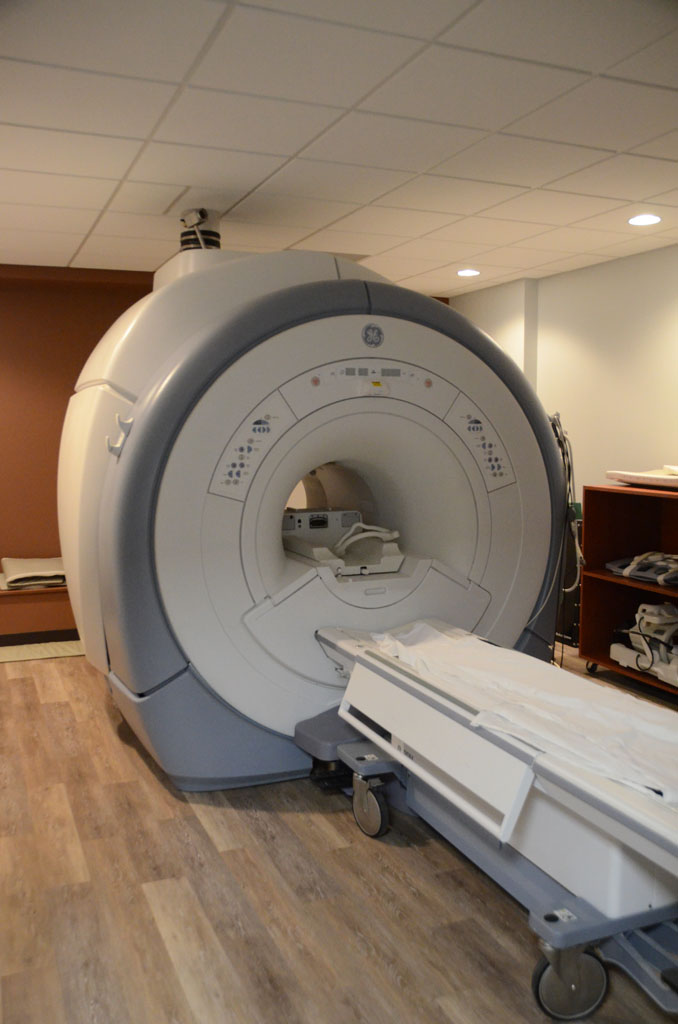
High-Field MRI
Our GE High-Field closed MRI captures high-quality images. Certified MRI technologists stay in constant communication with you throughout your scan.
MRI of soft tissue such as the heart, liver and other organs is often more likely to find and accurately characterize disease than other methods, which makes it invaluable for early diagnosis.
What is MRI?
Magnetic resonance imaging (MRI) is a noninvasive test that uses a powerful magnetic field, radio-frequency pulses and a computer to produce detailed pictures of organs, soft tissue, bone and other internal structures. MRI does not use ionizing radiation (X-rays).
How should I prepare?
- Wear loose, comfortable clothing without metal fasteners, or change into a gown.
- Unless told otherwise, eat and take your medications as usual.
- Tell us about allergies, kidney problems, pregnancy, or any implanted devices or metal in your body.
- Leave jewelry, watches and other metal items at home.
Please fill out the MRI patient forms before your visit.
What happens during the exam?
You lie on a padded table that moves into the scanner. The machine makes loud knocking sounds, so we provide ear protection and music. Some exams use a contrast injection. Most scans take 20 to 45 minutes, and you can talk with the technologist the whole time.
How do I get my results?
A U.S. board-certified radiologist who specializes in your type of study reviews your images and sends a report to your doctor, usually within 24 hours.
MRI Arthrograms
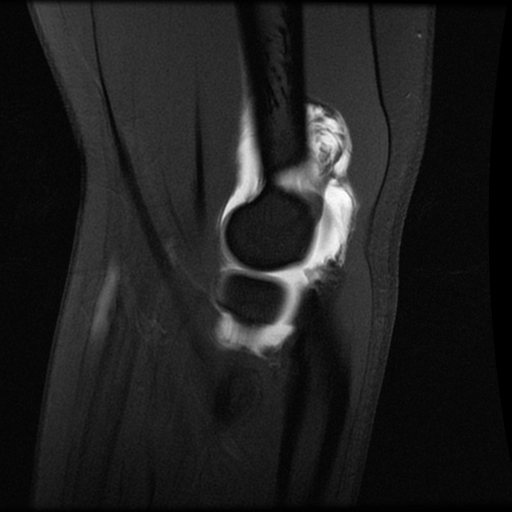
An MRI arthrogram takes detailed pictures of your joints in two parts: first contrast is injected into the joint, then an MRI is performed. Together they show more detail than an MRI alone and help your doctor choose the best treatment.
Why am I having an MRI arthrogram?
Joints such as the knee, hip and shoulder are supported and cushioned by cartilage, tendons and ligaments. An MRI arthrogram helps your doctor see small tears or other problems in these tissues and track them over time.
How should I prepare?
Please call at least 24 hours before your exam if you need to reschedule, or if any of these apply:
- Allergy to contrast (X-ray dye, iodine or MRI contrast)
- Diabetes
- Taking warfarin (Coumadin) or other blood thinners
- Being treated for an infection
- Claustrophobia
- Using a diaphragm or IUD
Bring a list of all your medicines. You will meet the doctor and give written consent before the exam begins.
Please fill out the MRI arthrogram patient forms before your visit.
X-Ray
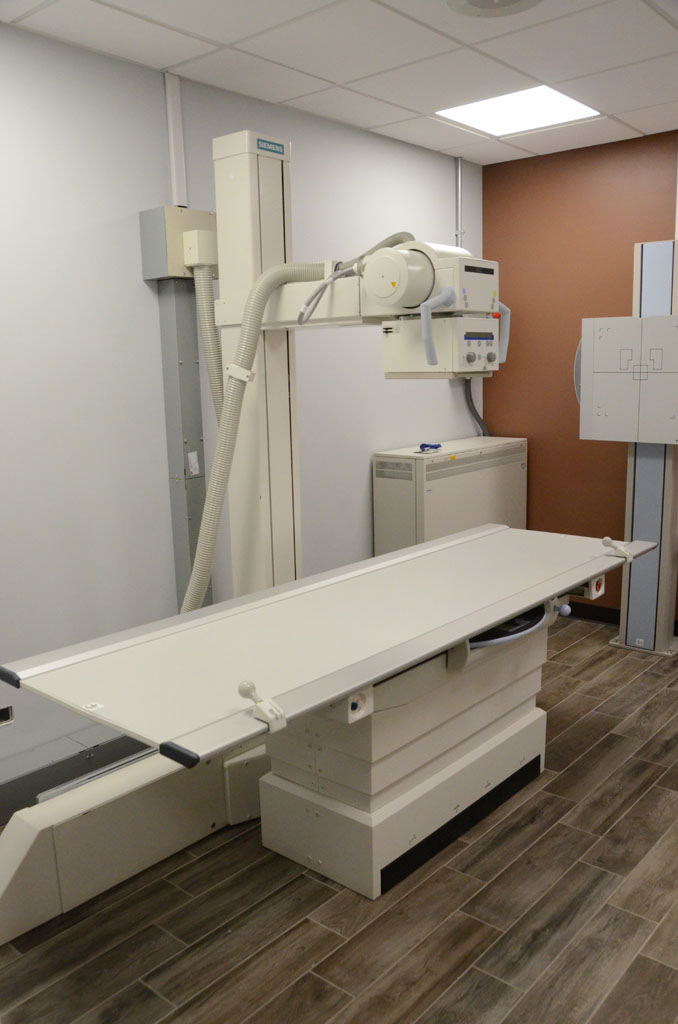
An X-ray is a quick, painless test that produces images of the structures inside your body, especially your bones. Dense materials like bone show up white, air in the lungs appears black, and fat and muscle appear in shades of gray.
Why is it done?
- Bones: fractures, infections, arthritis, and bone density.
- Chest: pneumonia and other lung conditions, or an enlarged heart.
- Abdomen: digestive problems and swallowed objects.
How should I prepare?
Most X-rays need no preparation. Wear comfortable clothing; you may be asked to remove jewelry or change into a gown. Tell us if you are, or could be, pregnant. Please fill out the X-ray patient forms before your visit.
What can I expect?
You'll be positioned on the table or against the stand, and the image takes only seconds. You may be asked to hold still or hold your breath briefly. Most X-ray exams take just a few minutes.
Questions about your exam?
Our staff is happy to help you prepare.